From the field
Renovating a home: what happens before, during and after the works
The real sequence of a renovation: site visit, design and quote, works, handover. And where time is actually lost.
Why no one can give you a date before seeing your home
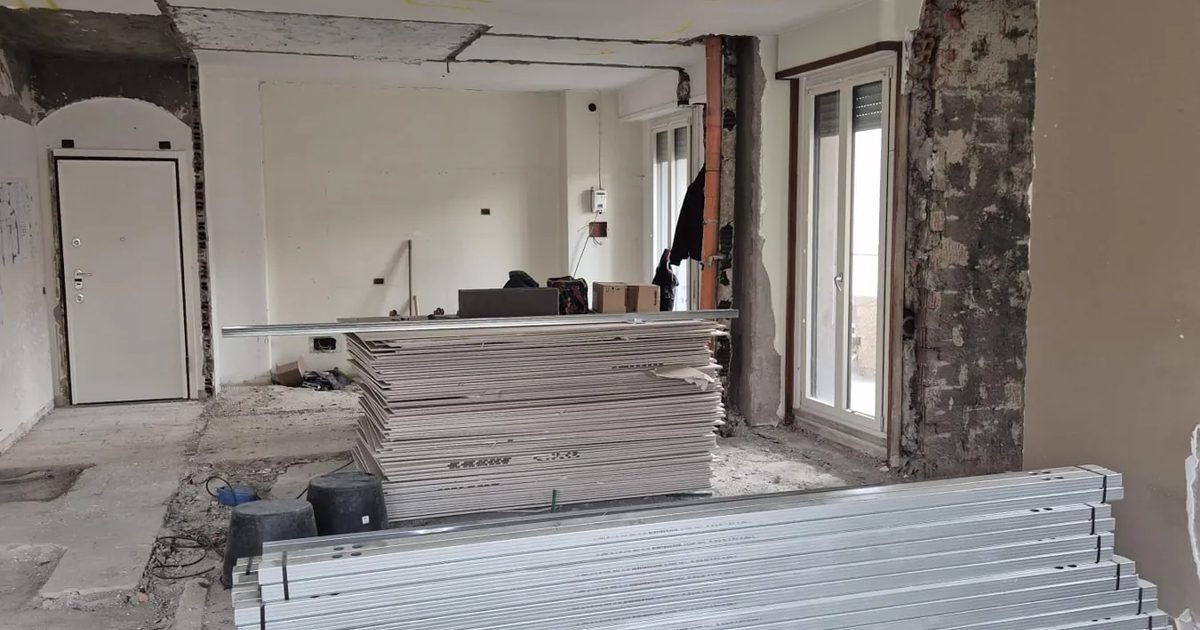
Anyone who promises a precise duration without having seen the state of the walls, systems and finishes is guessing, not calculating. Every building has a different history: an electrical system redone in the eighties behaves differently from an original one, a load-bearing wall changes the margins of intervention, a floor slab with previous water infiltration can hide work that isn't visible from the outside.
This is why the first step of any serious renovation is not the quote, but the site visit. That's where you start to understand not how long everything will take, but which phases will be longer and which faster, based on what is really behind the plaster.
The site visit: what is examined and what you take away
During the site visit, the state of the existing systems, the structure, the available space and the requests of those who live or will work in those spaces are observed. It's not a formal visit: it's the moment when the information needed to write a design that holds together wishes and the building's real constraints is gathered.
Whoever commissions the work can speed up this phase by preparing their priorities in advance: what is non-negotiable, what is negotiable, what rough budget they have in mind. The clearer the initial requests, the less time is lost later revisiting choices already made.
Design and quote: the phase where decisions are made, not where building happens
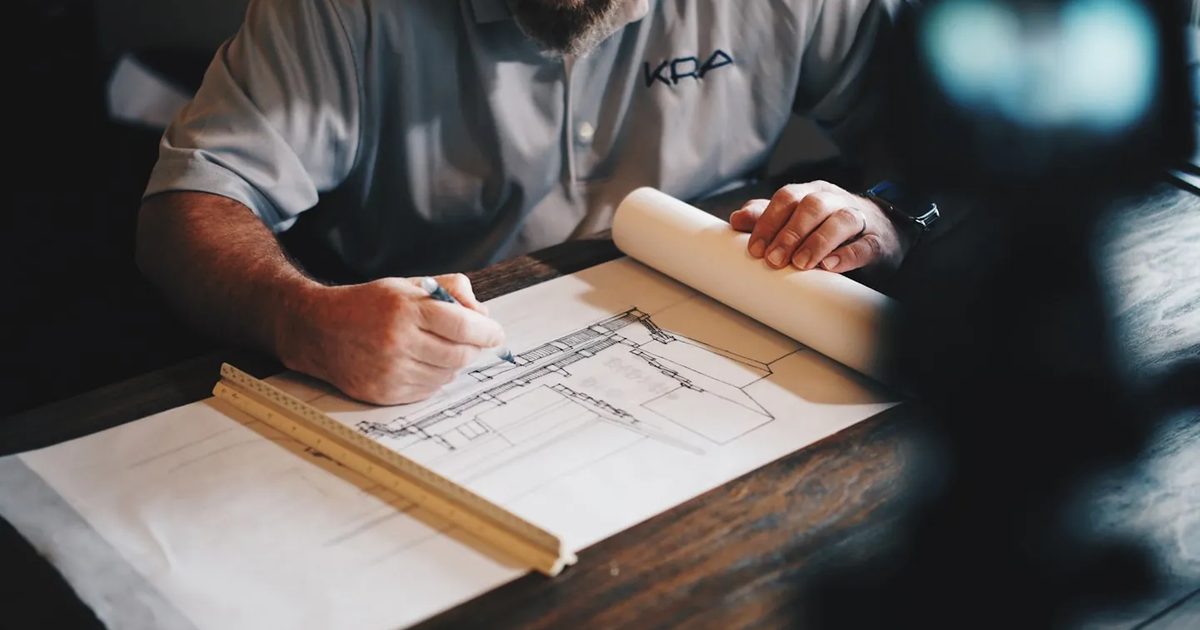
After the site visit comes the design phase and the drafting of the quote. It's the least visible phase but often the one that determines how the rest will go: this is where materials, delivery times, sequence of works and costs are defined.
The time this phase requires depends mostly on how many times the client revises the design before finally approving it. Any change requested after approval, on the other hand, is paid for later: changing your mind once the site is open almost always costs more time than changing it on a drawing.
A well-made quote is not just a list of prices, but a snapshot of what will happen week by week on site. It's worth reading it carefully before signing it, not after.
The works: a single point of contact and why it matters
The works are the longest phase and the one where variables accumulate: material deliveries, tasks that depend on one another, unforeseen issues that emerge when opening walls or floors. None of these things can be eliminated entirely, but they can be managed better if there is one single person coordinating everything and accountable for the choices made day by day.
Having a single point of contact means that whoever commissions the work doesn't have to chase after masons, electricians and plumbers to understand how far along the work is: there is only one contact person who keeps the sequence of tasks together and communicates what is happening and what will happen next.
This doesn't shorten the technical time of a given task, but it reduces the time lost in misunderstandings, overlaps and unnecessary waiting between one team and another.
Handover and final check: when the work is truly finished
The last phase is the handover, but before the handover there is a check: verifying that what was built matches what was designed and quoted, that the systems work, that the finishes are the ones agreed upon.
This step serves to prevent small problems, if ignored, from becoming big ones after the site has closed down. A renovation doesn't end when the teams leave, but when someone has verified that everything matches what was decided at the start.
If you're considering a renovation, the most useful way to start is not to ask how long it will take, but to show your home to whoever will need to design it: every honest estimate is born from that site visit.
Back to the site